Competitive exams: Study plan in India: How to succeed in competent exams everyday

Introduction
In India, tests are competitive and it demands preparation, discipline and consistency. Millions of candidates are training to take exams like SSC, banking, railway, and UPSC every year. Due to the high rate of competition, proper study plan becomes key to success. A lot of applicants begin the preparation process without a plan. Consequently, they become overwhelmed and they do not finish the syllabus in time. Nevertheless, a properly planned study plan will assist the applicants in time management and will address all topics. A research plan is also useful as a preservation of consistency. Applicants are able to monitor their performance and work on the areas of weaknesses. In the meantime, stress levels are decreased as a result of proper planning in preparation. This guide provides the process of making a good study plan to conduct competitive exams in India.
Most Well-paying Dot jobs in India: Best Career Opportunities
Acquiring Knowledge of the Exam Requirements
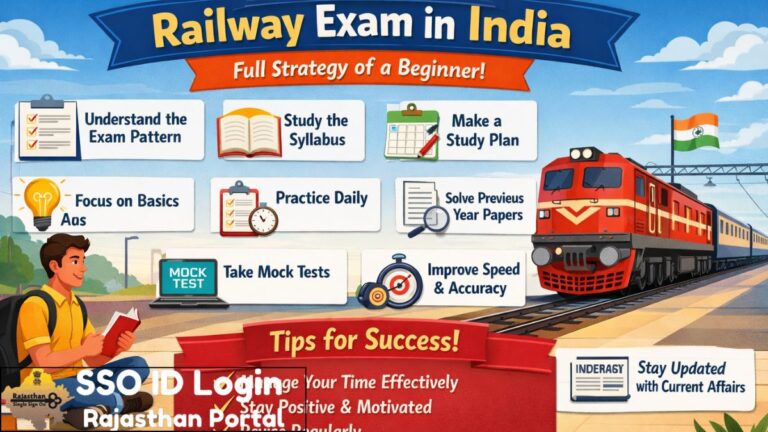
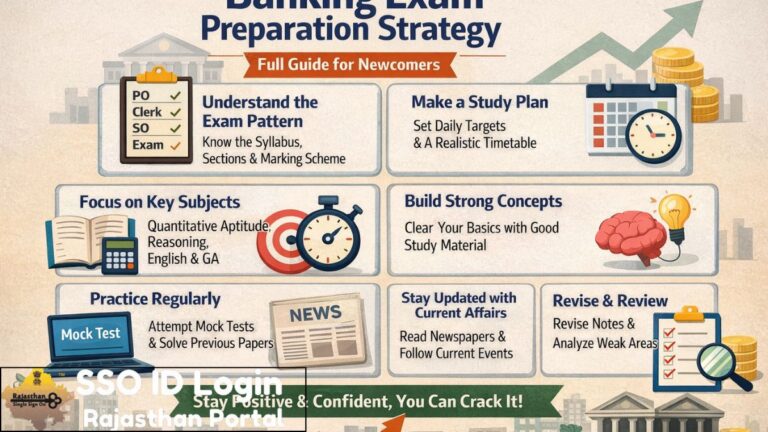
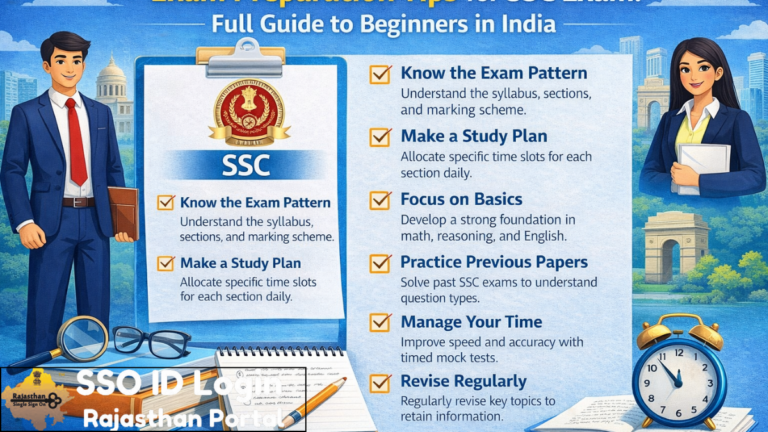
The candidates should have knowledge of the exam requirements before developing a study plan. Every competitive exam is of a different syllabus and pattern. Hence the official syllabus should be thoroughly studied by the applicants. Knowing the exam structure enables the candidates to know the significant topics. Prior preparation is facilitated by knowing the marking scheme in the meantime. There is no confusion around what is required in exams, and as a result, it becomes easy to plan.
Setting Realistic Goals
The initial stage in developing a study plan is to set realistic objectives. The preparation process should be broken into small manageable goals by the candidates. As an illustration, they are able to have weekly targets on accomplishing certain subjects. In the meantime, the daily targets also aid in consistency. Setting small attainable goals regularly gives one confidence and motivation.
Development of a Daily Study Schedule
Daily schedule enables the candidates to plan their time in studying. Applicants are supposed to set certain time slots to each topic. As an example, mornings can be given to theory and evenings practice. In the meantime, a few breaks enhance concentration. A timetable that is balanced is useful to keep he productivity. Dividing Time for Subjects
Every individual must be adequately addressed
When scheduling the candidates, time should be divided according to the difficulty and importance of the subjects. The challenging topics can require longer time than the easier ones. Meanwhile, high-weightage subjects must be put on the agenda. Preparation is balanced and this guarantees better results in exams.
Including Revision Time
The second step is revision which is a crucial aspect of preparation. Candidates are expected to revise subjects that have been studied before. Meanwhile weekly revision lessons aid in reinforcing knowledge. Revision enhances memory and minimizes forgetting of important information.
Serial revision enhances the confidence in examination
Practicing Mock Tests Competitive exams are done with the help of mock tests. They assist the candidates in knowing the exam conditions and time limits. Meanwhile mock tests are better in speed and accuracy. After every test, the candidates are supposed to analyses their performance. This assists in fault-finding and enhancing plans.
Focusing on Weak Areas
Each candidate possesses his or her strengths and weaknesses. This is because it is easy to determine the weak areas to improve the overall performance. Applicants are supposed to focus more time on challenging issues. In the meantime, routine training assists in strengthening the weak areas. Weaknesses are problems to be strengthened to enhance success.
Maintaining Consistency
One of the factors that are very crucial in exam preparation is consistency. Applicants are not supposed to take long breaks to study. In the meantime, it is useful to keep the small daily goals to keep the momentum going. Confidence is acquired with experience. Hard work brings about improved results.
Avoiding Distractions
Lack of concentration can lead to creating less efficiency in studies. Social media and mobile phones are usually time-wasting. The candidates need to develop a dedicated study environment. In the meantime, restriction of irrelevant activities enhances concentration. The more one avoids distractions, the more productive he is. Taking Care of Health
Good preparation is facilitated by a healthy lifestyle
Applicants need to have ample sleep and have a healthy diet. In the meantime, brief pauses in the period of studying assist in keeping attention. The importance of physical and mental health is that of preparing in the long term. Good health enhances performance.
Tracking Progress
Tracking the progress keeps the candidates motivated. Applicants ought to frequently test themselves using mock assessments. Simultaneously monitoring progress is a way to gain confidence. Making changes according to performance in study plans will result in improved performance. Constant assessment results into constant increase.
Conclusion
To succeed in competitive exams in India, the study plan should be well organized. Prospective candidates that manage their preparations will be able to cover the syllabus within the timeframe and eliminate stress. Candidates can enhance their performance by being realistic with goals and working on a schedule daily and practicing. In the meantime, constancy and right time management are important aspects of success. Careers are attainable by the candidates with hard work and intelligent planning.